
I used to be very anti most supplements. In fact, the only one I consistently took was my superfood powder and Vitamin C when I was fighting off a cold. As a fitness professional, a mom, and a woman navigating perimenopause myself, I understand the frustration of feeling like your body is changing in ways you can’t control. I’ve experienced the 3 a.m. wake-ups, the workouts that suddenly feel harder despite doing everything “right,” and the stubborn belly weight that you can’t seem to lose since having your last baby.
I’ve also had countless conversations with clients who describe the same confusing symptoms—brain fog during important meetings, muscle soreness that lingers longer than it used to, and an energy slump that no amount of coffee seems to fix. This isn’t just professional observation for me; it’s deeply personal. Through my own journey and years of working with women in their 40s, 50s, and beyond, I’ve learned that the hormonal shifts during perimenopause and menopause don’t just affect your menstrual cycle—they impact your muscle mass, bone density, energy levels, metabolism, sleep quality, and overall well-being. Resistance training is especially important during perimenopause, and I’ve shared the fitness tools I personally use to support strength and recovery here.
While no supplement can replace a solid nutrition and exercise foundation, strategic supplementation can help bridge the gaps that become more pronounced as estrogen and progesterone levels fluctuate and decline. Many of the supplements I mention here—like creatine for strength and mental clarity, magnesium to support stress and sleep, and a high-quality greens powder for daily micronutrient support—are ones I personally use and recommend often. I’ve linked the exact products I trust throughout this article so you can explore them if they’re a good fit for you. Here are the eight supplements I recommend most often—and use myself—to support women through this transformative and overhwhelming life stage.
1. Creatine
If I could recommend only one supplement for women in perimenopause and menopause, creatine would be it. This might surprise you, as creatine is often associated with male bodybuilders, but the research on creatine for women—especially during hormonal transitions—is compelling. It is also the most studied supplement out there.

Why it’s crucial during menopause: Declining estrogen levels accelerate muscle loss (sarcopenia) and bone density decline. Creatine supports both muscle retention and bone health, which become critical concerns during menopause. Studies show that creatine supplementation combined with resistance training can help counteract the muscle loss that typically occurs during this transition.
Beyond the physical benefits, emerging research suggests creatine may support cognitive function and mood regulation—both of which can be affected during perimenopause. Many of my clients report improved mental clarity and reduced brain fog when they add creatine to their routine.
How I use it: I take 5 grams of creatine monohydrate daily, mixed into my water with electrolytes. I fill up my giant water cup every morning while I am doing my morning coffee so I do not forget. There’s no need to “load” creatine—consistent daily use is what matters. Timing isn’t critical; I prefer mornings for consistency, but you can take it whenever it works for your routine.
👉 This is the creatine I use daily to support strength, recovery, and mental clarity during perimenopause.
What to expect: You may notice a slight increase in water weight (1-2 pounds) as creatine pulls water into muscle cells—this is normal and beneficial. Give it at least 4-6 weeks to notice improvements in strength and recovery.
2. Magnesium
Magnesium is involved in over 300 enzymatic reactions in your body, yet most women are deficient. During perimenopause and menopause, adequate magnesium becomes even more critical.
Why it’s crucial during menopause: Magnesium helps regulate the stress response, supports quality sleep, reduces muscle tension and cramps, and plays a vital role in bone health. Many perimenopausal symptoms—anxiety, insomnia, heart palpitations, muscle aches—can be exacerbated by magnesium deficiency. Fluctuating hormones also increase magnesium needs while simultaneously making it harder to absorb.
I’ve seen countless clients (including myself) experience dramatic improvements in muscle recovery, stress resilience, and overall well-being when they optimize their magnesium intake. The challenge is that most standard magnesium supplements only contain one or two forms of magnesium, and different forms serve different functions in the body.
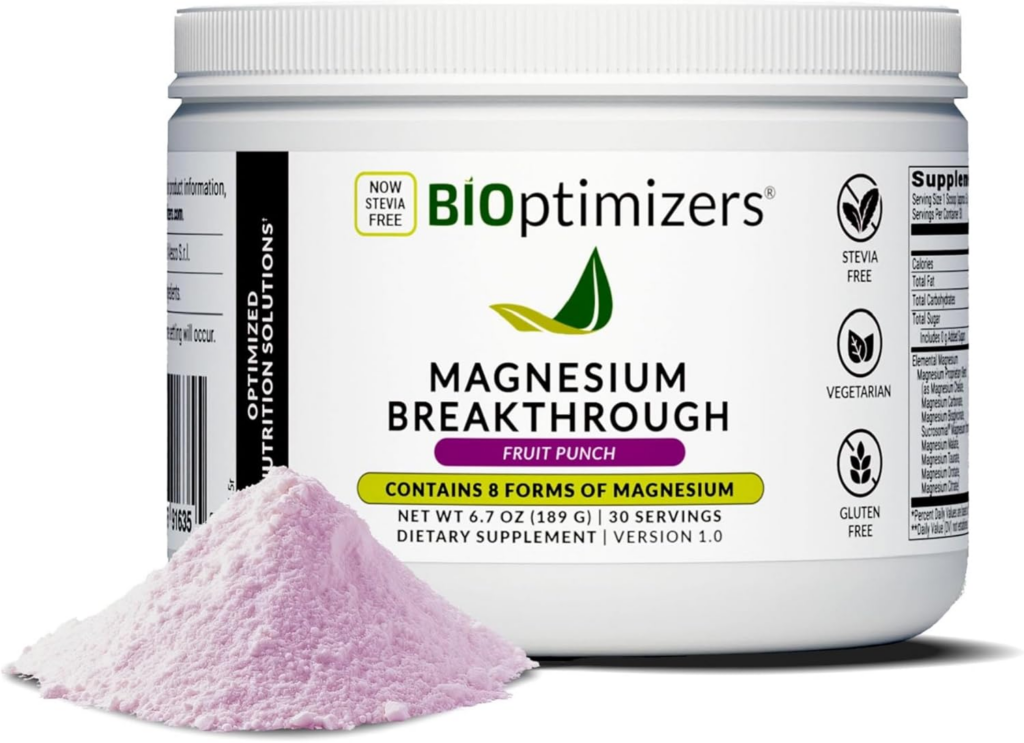
How I use it: I take Magnesium Breakthrough by BiOptimizers, which contains all seven forms of magnesium. This comprehensive approach ensures I’m getting magnesium glycinate for muscle relaxation and nervous system support, magnesium malate for energy production, magnesium taurate for cardiovascular health, and the other forms that target different bodily systems. I have a hard time with pills so I use the powder and add it to my second water refill usually with lunch.
👉 This is the magnesium blend I rely on to support sleep, stress resilience, and muscle recovery.
What to expect: You may notice improved stress tolerance and reduced muscle tension within a few days to a week. Many women also report better workout recovery and reduced muscle cramping. Start with a lower dose (1-2 capsules) and gradually increase to find your optimal amount.
3. Sleep Breakthrough
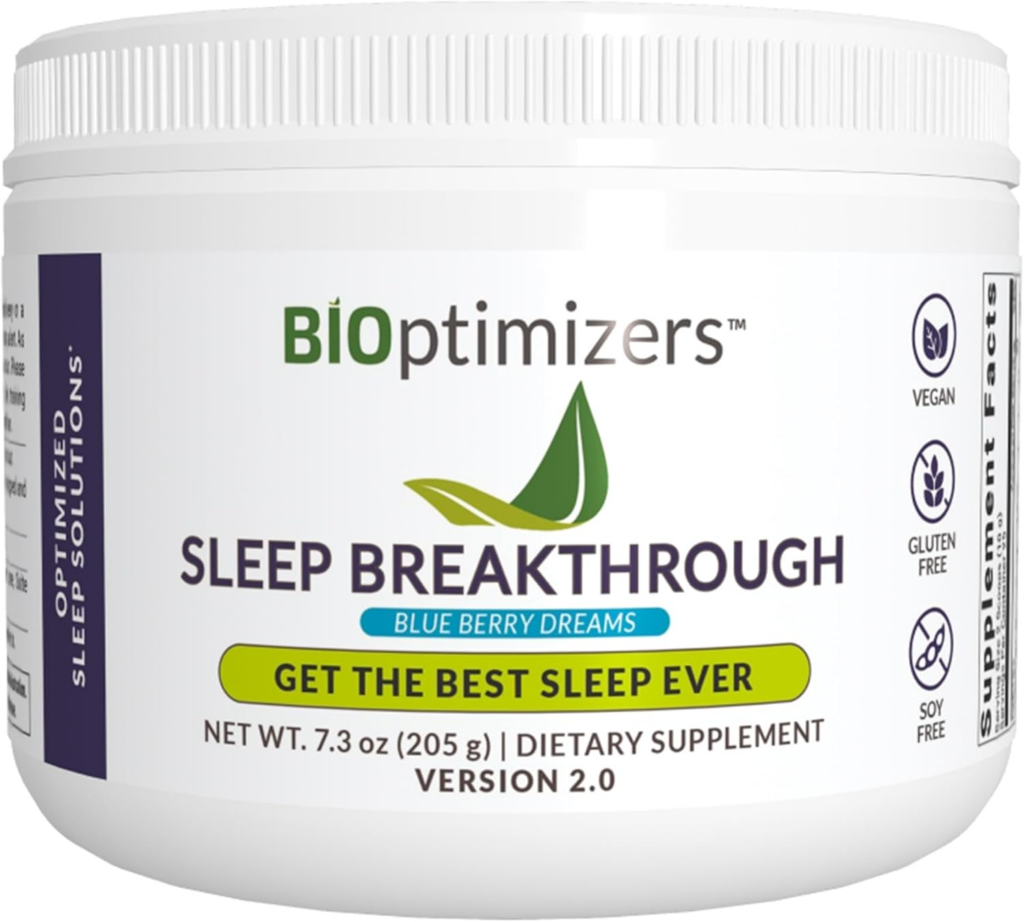
Quality sleep becomes increasingly elusive during perimenopause and menopause, yet it’s also when restorative sleep becomes more critical than ever. While the Magnesium Breakthrough I mentioned above supports overall health and daytime stress management, Sleep Breakthrough by BiOptimizers is specifically formulated to address sleep quality.
Why it’s crucial during menopause: Hormonal fluctuations wreak havoc on sleep architecture—you may have trouble falling asleep, staying asleep, or achieving deep restorative sleep stages. Poor sleep creates a vicious cycle: it worsens other menopausal symptoms like mood changes, weight gain, and decreased recovery from exercise, while those symptoms further disrupt sleep.
Sleep Breakthrough contains a synergistic blend of ingredients including magnesium (in sleep-specific forms), GABA, glycine, taurine, and other compounds that support natural sleep cycles without the grogginess or dependency issues of sleep medications. Unlike taking magnesium alone, this formula addresses multiple pathways involved in sleep regulation.
How I use it: I take one packet (or scoop if using the powder version) mixed in water about 30-60 minutes before bed. Unlike the regular Magnesium Breakthrough which I take during the day for overall health, Sleep Breakthrough is specifically timed for evening use to support falling asleep faster, staying asleep longer, and waking refreshed. I’m diligent about not skipping this as I have really noticed a big difference in my sleep.
👉 This is the sleep supplement I use nightly to fall asleep faster and stay asleep longer.
What to expect: Many women notice they fall asleep more easily within the first few nights. Deeper improvements in sleep quality—fewer night wakings, more time in deep sleep, waking feeling truly rested—typically develop over 1-2 weeks of consistent use. This isn’t a “knockout” supplement; it works with your body’s natural sleep mechanisms, so you won’t feel drugged or groggy the next morning.
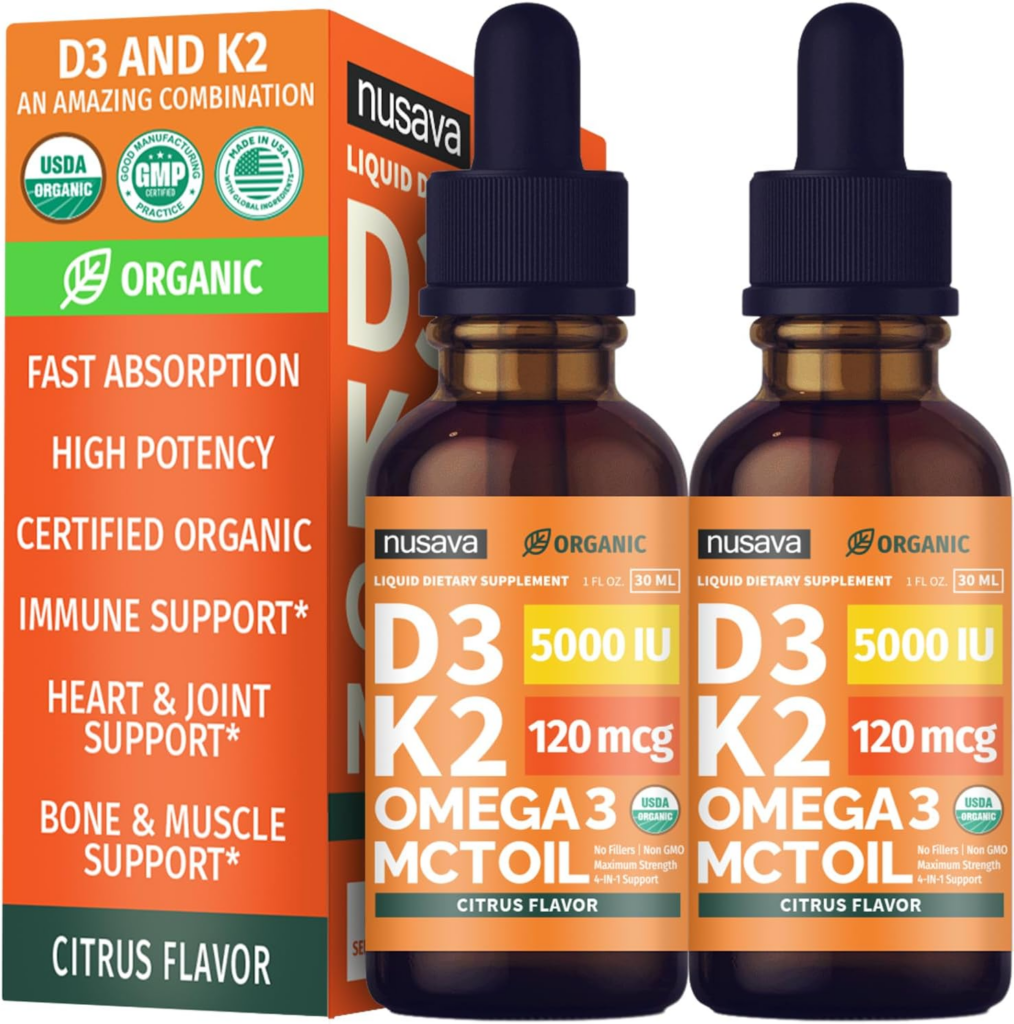
4. Vitamin D3 & K2 Drops with MCT Oil
This combination is a powerhouse for bone health, immune function, and mood regulation—all of which deserve extra attention during hormonal transitions.
Why it’s crucial during menopause: Vitamin D deficiency is widespread, and declining estrogen levels reduce calcium absorption, making adequate vitamin D even more critical for maintaining bone density. Low vitamin D is also associated with increased depression risk and immune dysfunction, both concerns during menopause.
Vitamin K2 works synergistically with D3 to direct calcium into your bones (where you want it) and away from your arteries (where you don’t). The MCT oil base enhances absorption since these are fat-soluble vitamins.
How I use it: I take 2,000-5,000 IU of D3 with 100-200mcg of K2 daily with MCT oil. The exact dose depends on your baseline levels—I strongly recommend getting your vitamin D levels tested (aim for 50-70 ng/mL) and adjusting accordingly. I take mine with breakfast or lunch rather than dinner, as some people find D3 can interfere with sleep if taken late in the day.
👉 This is the D3 + K2 combo I use daily to support bone health, immunity, and mood.
What to expect: Benefits are subtle and long-term. You might notice improved mood and energy within a few weeks, but the real payoff is in bone health preservation and immune support over months and years.
5. Superfood Greens
While whole foods should always be your priority, a quality greens powder provides concentrated phytonutrients that support detoxification and hormone balance—both of which become more challenging during perimenopause.

Why it’s crucial during menopause: Greens powders typically contain cruciferous vegetables (like broccoli and kale) that support healthy estrogen metabolism, helping your body process and eliminate excess estrogen. They also provide antioxidants that combat the increased oxidative stress associated with hormonal fluctuations. The alkalizing effect can help counteract the low-grade inflammation that often increases during this transition.
How I use it: I mix one scoop with water into a shaker. Many love mixing it into smoothies. Personally, I have a harder time with smoothies. I look for products with minimal added sweeteners and a diverse blend of organic greens, adaptogens, and probiotics. Consistency matters more than the specific brand—find one you’ll actually drink daily.
👉 This is the greens powder I use for daily micronutrient and digestive support.
What to expect: Many women notice improved digestion and more consistent energy within 1-2 weeks. This isn’t a dramatic supplement for peri-menopause per say, but it’s excellent nutritional insurance during a time when your body needs all the support it can get.
6. Colostrum
Colostrum—the nutrient-rich first milk produced by mammals—is gaining recognition for its powerful immune and gut-healing properties. I’ve become a strong advocate for it, especially for women dealing with the digestive changes common in perimenopause.
Why it’s crucial during menopause: Gut health and hormone balance are intimately connected. Colostrum contains growth factors and immunoglobulins that help repair and strengthen the gut lining, which can become compromised due to stress, hormonal fluctuations, and aging. A healthy gut supports better nutrient absorption, balanced immune function, and more effective estrogen metabolism.
Many of my clients experience increased inflammation and digestive sensitivity during perimenopause. Colostrum’s anti-inflammatory and gut-healing properties can help address these issues at their root.
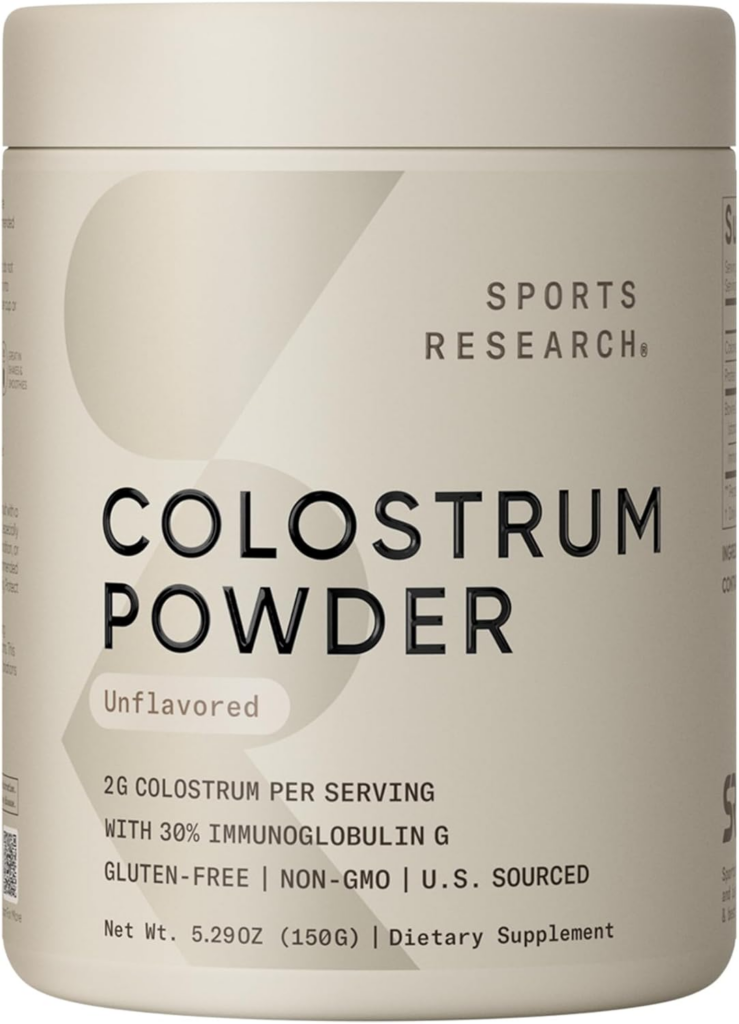
How I use it: I take 1-2 grams of bovine colostrum powder daily, mixed into my morning coffee. Taking it on an empty stomach (first thing in the morning or between meals) appears to maximize its immune and gut-healing benefits. Since adding it to my coffee first thing in the morning I have noticed less gas and bloat throughout the day.
👉 This is the colostrum I use to support gut health, digestion, and immune function.
What to expect: Gut healing takes time. You might notice improved digestion within 2-4 weeks, but give it at least 2-3 months for the full benefits. Some people notice improved skin quality and fewer seasonal illnesses as well.
7. Probiotics
The importance of a healthy gut microbiome extends far beyond digestion—it influences everything from mood to immune function to how your body metabolizes hormones.
Why it’s crucial during menopause: Hormonal changes can disrupt your gut microbiome, and an unhealthy gut can worsen perimenopausal symptoms. Your gut bacteria play a crucial role in metabolizing estrogen through what’s called the “estrobolome.” An imbalanced microbiome can lead to either too much or too little estrogen recirculation, exacerbating symptoms.
Additionally, many women experience new or worsening digestive issues during perimenopause—bloating, constipation, food sensitivities. A quality probiotic can help restore balance and reduce these symptoms.
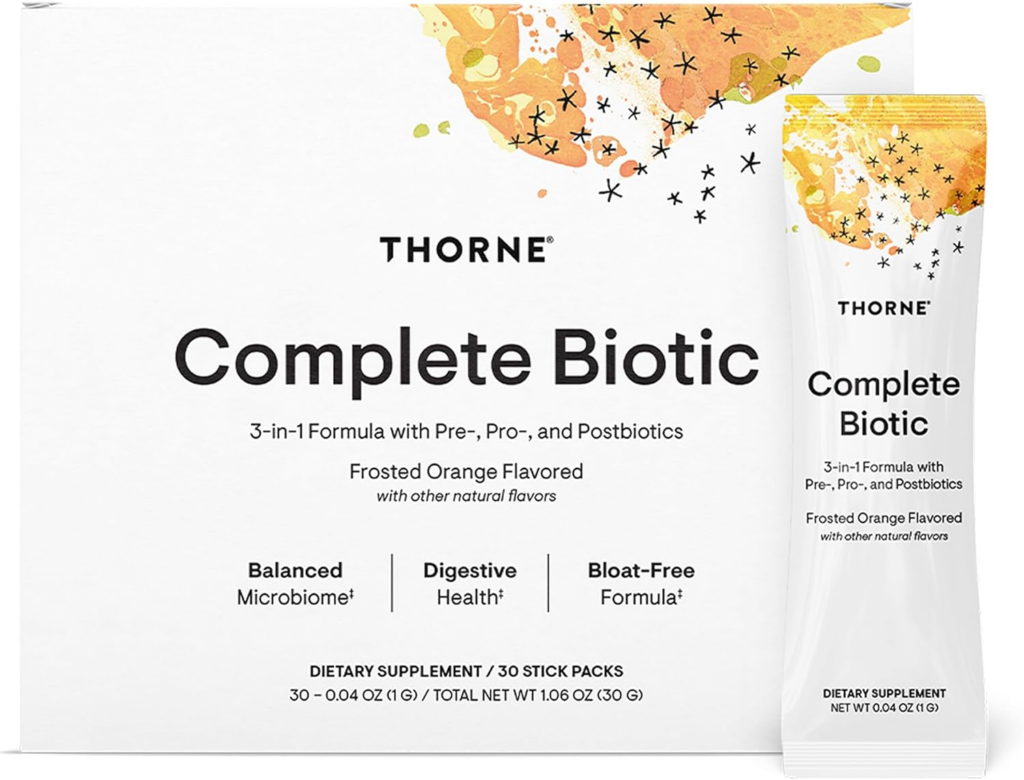
How I use it: I take a broad-spectrum probiotic containing at least 10-20 billion CFUs with multiple strains of both Lactobacillus and Bifidobacterium. I take mine with breakfast, though timing is less critical than consistency. I rotate between different high-quality brands every few months to expose my gut to diverse bacterial strains. My current favorite is Biotics by Thorne. You let the powder dissolve on your tongue.
👉 This is the probiotic I use to support gut balance and hormone metabolism.
What to expect: Digestive improvements often appear within 1-2 weeks, but deeper gut healing and immune benefits develop over 2-3 months. If you experience increased bloating initially, start with a lower dose and build up gradually.
8. Digestive Enzymes
As we age, our bodies produce fewer digestive enzymes, making it harder to break down and absorb nutrients from food. This can lead to bloating, gas, and nutrient deficiencies at a time when nutrient needs are actually higher.
Why it’s crucial during menopause: Hormonal changes affect digestive enzyme production and gut motility. Many women notice that foods they’ve always tolerated suddenly cause digestive distress. This isn’t just uncomfortable—poor digestion means you’re not getting optimal nutrition from your meals, which can worsen other menopausal symptoms.
Proper protein digestion is especially important during menopause when you’re trying to maintain muscle mass. If you’re not breaking down dietary protein efficiently, you won’t get the full benefit of your protein intake.
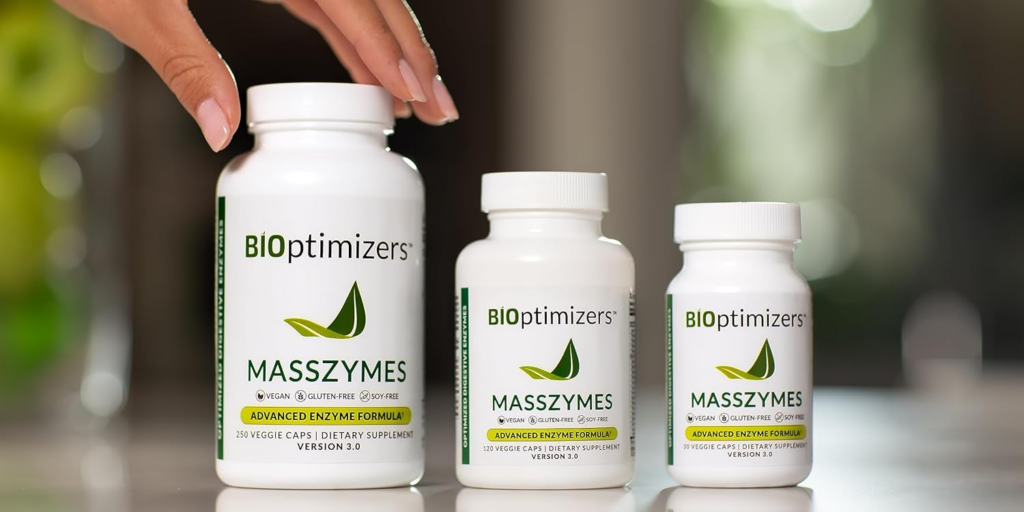
How I use it: I take a comprehensive digestive enzyme blend with larger meals, particularly those high in protein or fat. Look for a formula that includes protease (for protein), lipase (for fats), and amylase (for carbohydrates), along with additional enzymes like bromelain and papain. I typically take 2-3 capsules at the beginning of my meal.
👉 This is the digestive enzyme blend I use with larger meals to reduce bloating and improve absorption.
What to expect: Many people notice reduced bloating and post-meal discomfort within the first few meals. You might also notice you feel more satisfied and energized after eating as your nutrient absorption improves. This has been a game changer for post meal gas and bloat for me!
9. Protein Powder (Non-Whey)
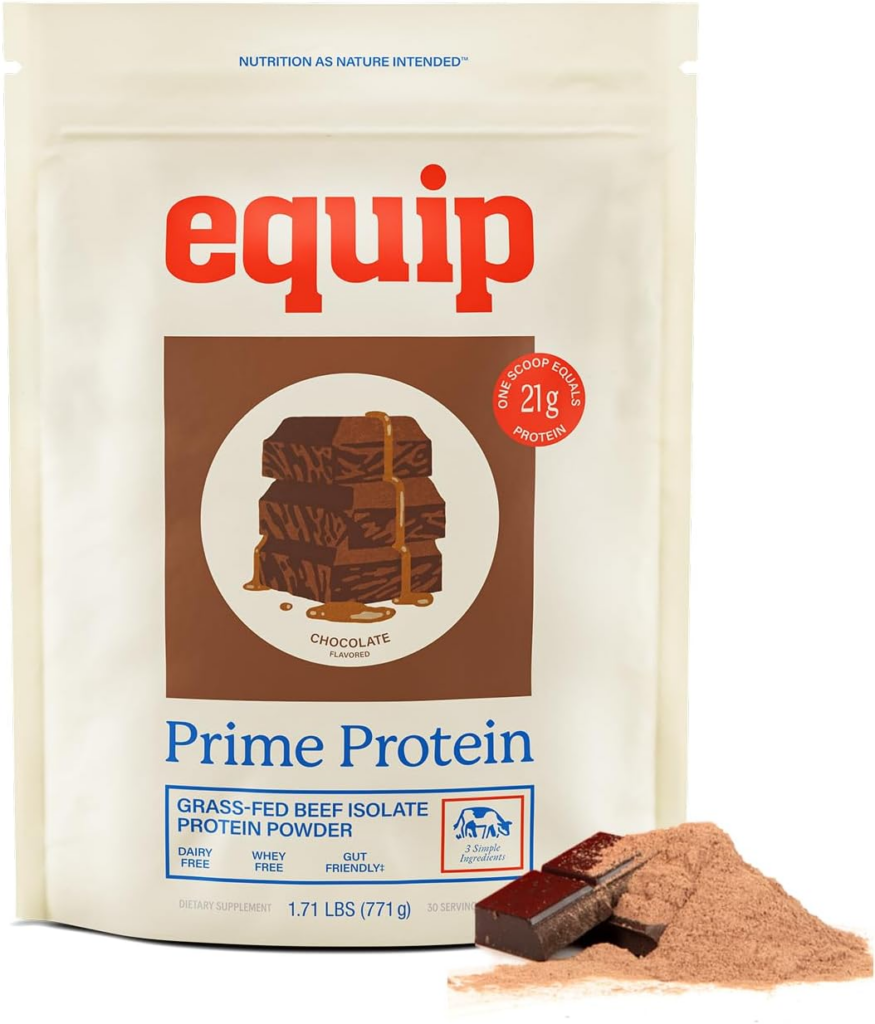
Adequate protein intake is absolutely critical during perimenopause and menopause, yet many women fall short. Myself included. I have always struggled with protein powders because of my food allergies to Whey as well as many of the ingredients in the vegetarian based protein powders. I also keep kosher and just recently started using grass fed, animal based protein powder that has 2-3 ingredients. A quality protein powder makes meeting your protein needs convenient and achievable.
Why it’s crucial during menopause: Protein requirements increase during menopause due to decreased muscle protein synthesis and accelerated muscle loss. Research suggests women over 40 need approximately 1.2-1.6 grams of protein per kilogram of body weight daily—significantly more than standard recommendations. Adequate protein supports muscle maintenance, bone health, satiety, and metabolic health.
I recommend non-whey options (plant-based proteins like pea, rice, hemp, or pumpkin seed, or alternatives like egg white or beef protein) because many women develop sensitivities to dairy during perimenopause, and whey can be inflammatory for some.
How I use it: I use 20~ grams of protein powder mixed into nonfat greek yogurt. I look for products with minimal additives and no artificial sweeteners.
👉 This is the non-whey protein powder I use to consistently hit my protein needs without digestive issues.
What to expect: Meeting your protein needs consistently supports better body composition, improved strength from your workouts, better blood sugar control, and increased satiety. You should notice feeling more satisfied and having steadier energy throughout the day.
Putting It All Together
Here’s how I structure my daily supplement routine:
Morning (with breakfast):
- Creatine (5g)
- Vitamin D3 & K2 drops with MCT Oil
- Probiotic
- Superfood greens (in water)
- Protein powder (in yogurt or smoothie)
With larger meals (lunch & dinner):
- Digestive enzymes
Evening (1-2 hours before bed):
- Magnesium glycinate (300-400mg)
On an empty stomach (morning or between meals):
- Colostrum (1-2g)
Important Considerations
Quality matters: Not all supplements are created equal. Look for third-party tested products from reputable companies. This is especially important for supplements like protein powder and greens blends where quality and purity vary significantly.
Consult your healthcare provider: Before starting any new supplement regimen, especially if you’re taking medications or have underlying health conditions, consult with your healthcare provider. Some supplements can interact with medications or may not be appropriate for certain conditions.
Supplements support, they don’t replace: No amount of supplementation can compensate for poor nutrition, inadequate sleep, chronic stress, or a sedentary lifestyle. Think of these supplements as amplifiers of an already solid foundation of healthy habits.
Give it time: Hormone balance and cellular health don’t change overnight. Commit to at least 3 months of consistent use before evaluating whether a supplement is working for you.
Final Thoughts
Navigating perimenopause and menopause doesn’t have to mean accepting decline in your strength, energy, or quality of life. With the right combination of resistance training, proper nutrition, stress management, and strategic supplementation, you can not only maintain your health and fitness but actually thrive during this transition.
These eight supplements have made a measurable difference in my own life and in the lives of many clients I’ve worked with over the years. They address the specific challenges that arise during hormonal transitions and support your body’s changing needs.
Remember, you’re not just “managing” menopause—you’re building the foundation for vibrant health in the decades to come. Every choice you make today is an investment in your future strength, independence, and well-being.
Disclaimer: This information is for educational purposes only and is not intended to diagnose, treat, cure, or prevent any disease. Always consult with a qualified healthcare provider before starting any new supplement regimen.
Image Disclaimer:
Product images displayed on this page are sourced from the respective brands and/or Amazon product listings for reference purposes only. All trademarks, logos, and images are the property of their respective owners.